The material decision sets your design's performance ceiling. NdFeB, SmCo, ferrite or AlNiCo — each wins in a different operating window. We help you choose the right material and grade for your temperature, environment and budget, then machine, coat and magnetize it precisely to your drawing.
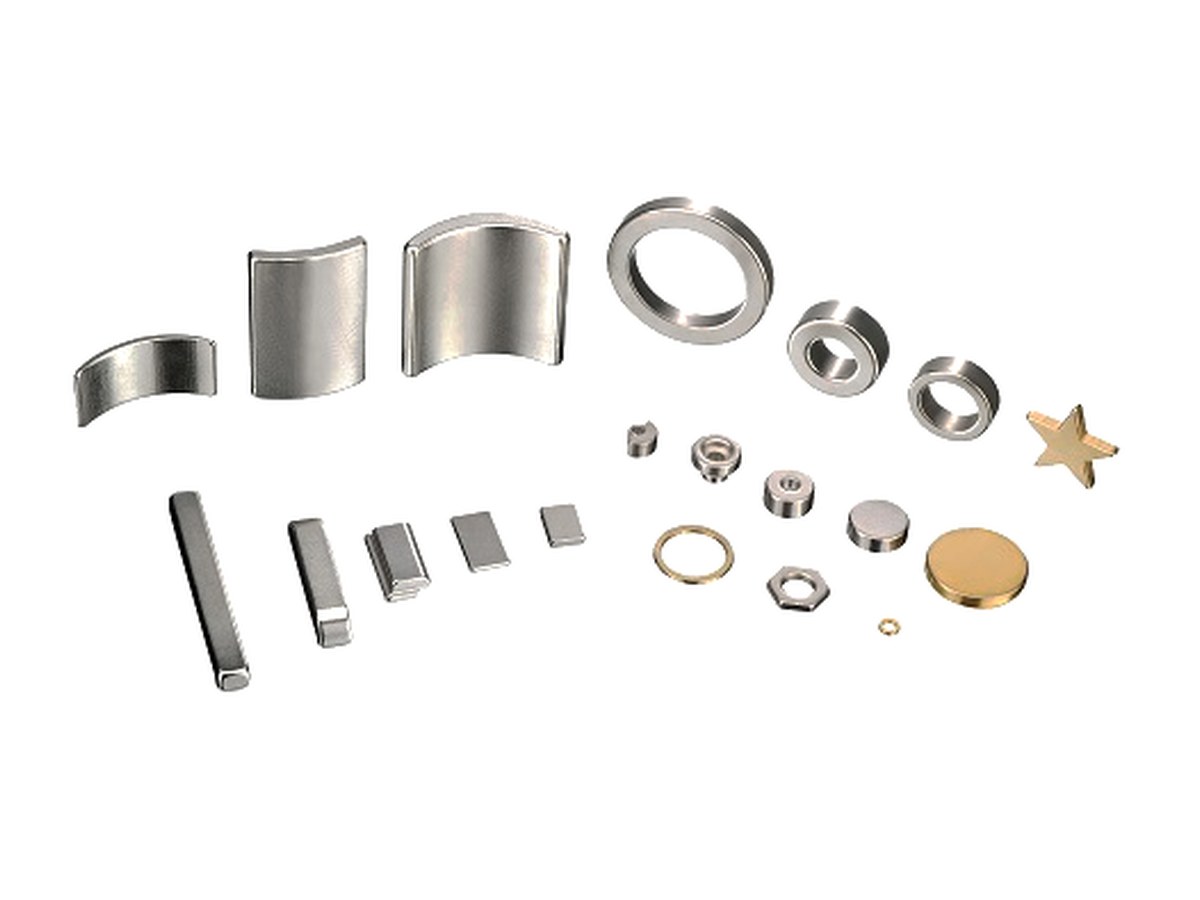
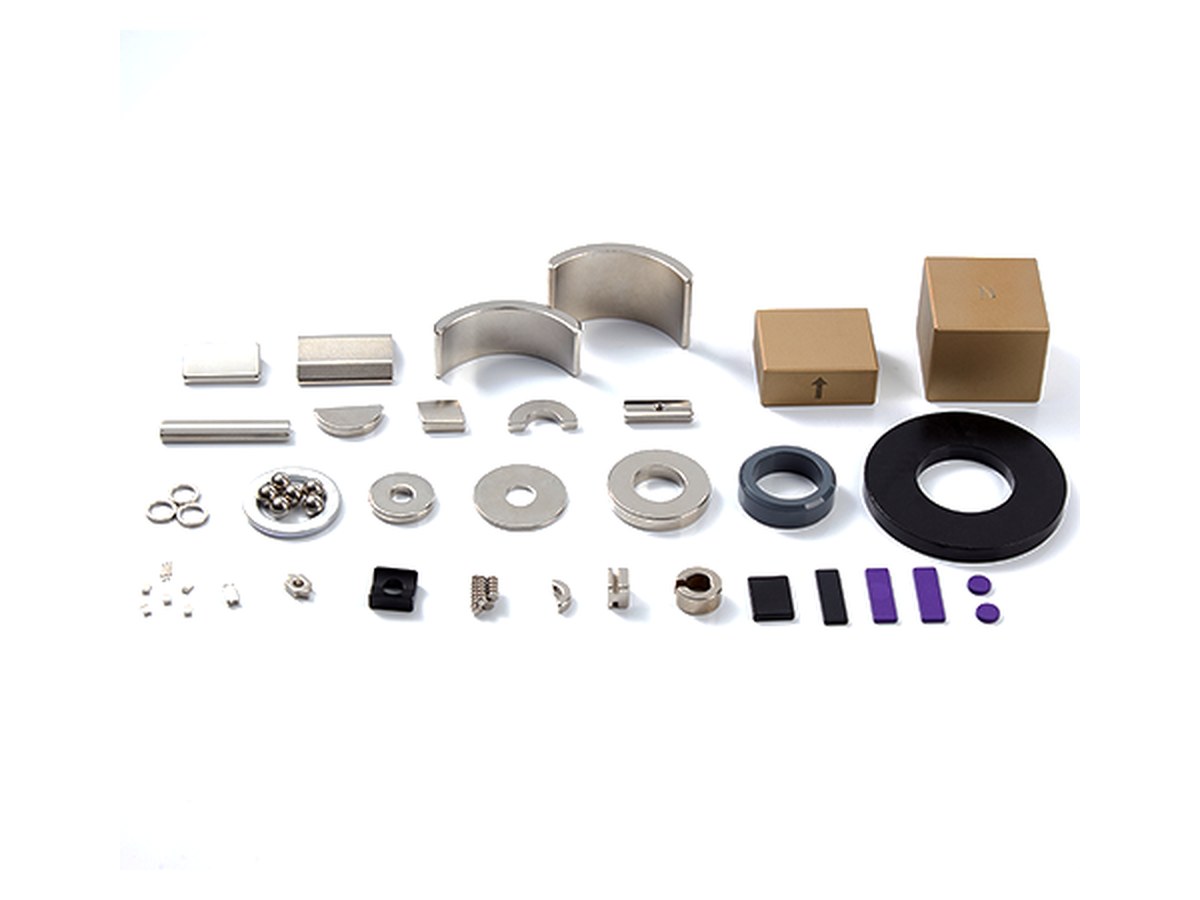
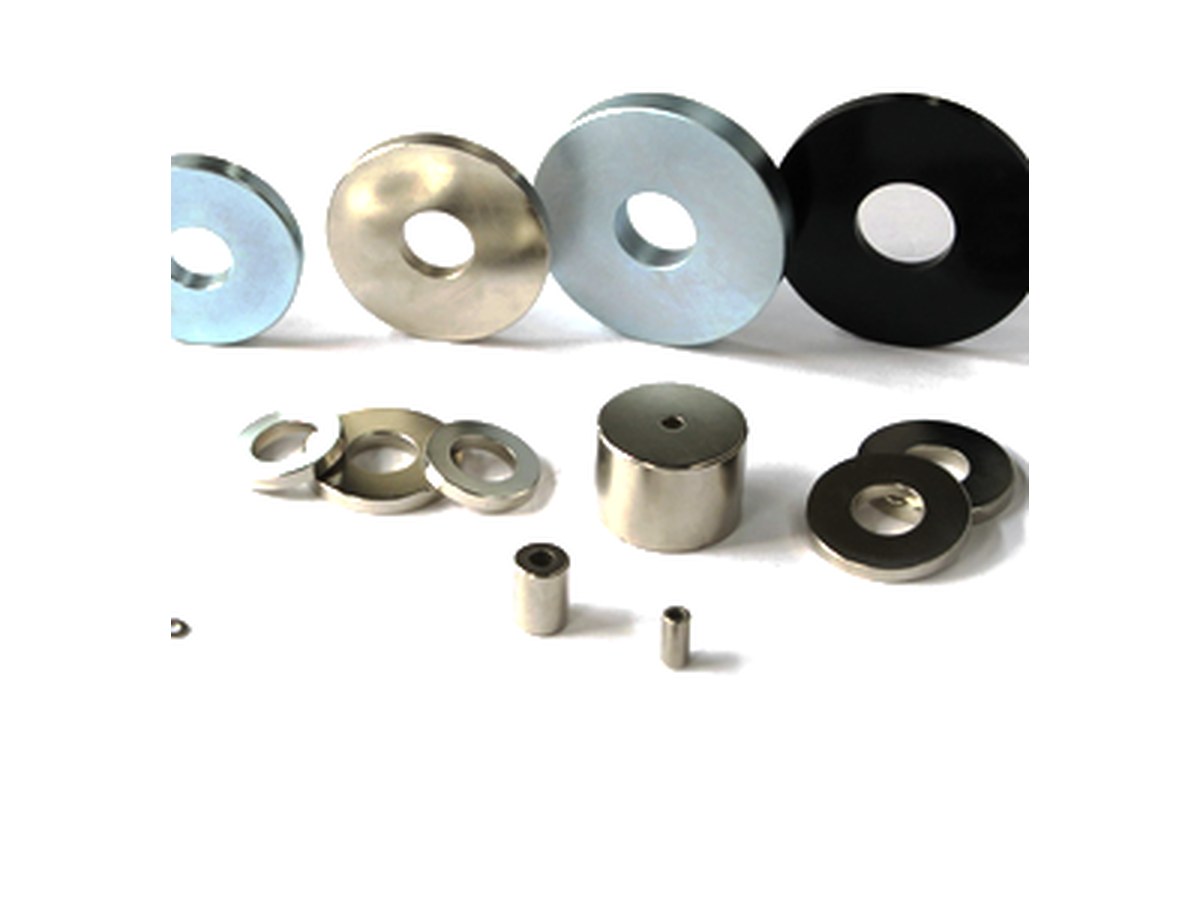
Arc, segment, block, ring and disc magnets — from miniature precision parts to large motor segments, with NiCuNi, epoxy and Parylene coating options. All produced to customer drawings.
Four failure patterns we see when magnets are bought as commodities instead of engineered components.
The most common failure we see: a standard N-grade specified for a design that runs hot. Irreversible flux loss shows up months later — in your customer's product, not in the sample room.
NdFeB oxidizes fast in humidity. A coating chosen by habit rather than by exposure profile leads to rust, chipping and contamination — especially in pumps, outdoor and medical-adjacent equipment.
Paying for N52 when N45 meets the flux target wastes budget on every piece. The reverse — saving a grade and losing thermal margin — costs far more. Both come from skipping the engineering step.
Magnets that meet 'the drawing' but vary in magnetization angle or coating thickness create assembly force variation and performance scatter on your line.
We treat material choice as the first design decision — not a purchasing afterthought.
We map your continuous temperature, demagnetizing field and environment against the NdFeB / SmCo / ferrite / AlNiCo windows — with the selection matrix below as the starting point.
Blocks, arcs, rings, cylinders and custom profiles ground and sliced to tolerances down to ±0.05 mm — including thin-wall and miniature parts.
NiCuNi, epoxy, zinc, gold and parylene selected against your humidity, chemical and salt exposure — with coating thickness controlled for your assembly gaps.
Through-thickness, diametrical, multi-pole and skewed magnetization, with flux measurement and dimensional inspection documented on every batch.
A starting point for material selection — final choice always depends on your complete operating profile.
| Material | Max Energy Product | Max Operating Temp | Corrosion Resistance | Relative Cost | Choose It When |
|---|---|---|---|---|---|
| NdFeB (N–EH series) | 35–52 MGOe | 80–200°C by grade | Requires coating | $$ | Highest strength per volume — motors, actuators, holding |
| SmCo (2:17 / 1:5) | 16–32 MGOe | 250–350°C | Good inherently | $$$$ | High temperature, corrosion or long-term stability is critical |
| Ferrite | 3–5 MGOe | up to ~250°C | Excellent | $ | Cost-driven, high-volume designs with moderate performance needs |
| AlNiCo | 5–12 MGOe | 450–550°C | Excellent | $$$ | Extreme temperature stability — sensors, instruments, meters |
Everything below can be customized to your drawings and specifications.
You don't need a perfect specification to start. Send what you have — our engineers will fill the gaps with you.
Drawings or sketches — dimensions, tolerances, assembly context
Operating conditions — temperature, medium, vibration, duty cycle
Magnetic targets — grade, flux, holding force, or the problem to solve
Quantities — prototype, pilot run, or annual volume estimate
Compliance needs — RoHS/REACH, inspection reports, documentation level
Timeline — target dates for samples and production
Send your operating temperature, environment and flux target — we respond within 24 hours.
Request a Technical Assessment → info@xakmag.com