XAK provides engineered NdFeB magnets and custom magnetic assemblies for MFL inspection systems, supporting reliable magnetic field performance in demanding oil & gas environments.
MFL tools require carefully engineered magnetic systems to generate stable and sufficient magnetic flux through the pipeline wall. Four requirements decide whether the signal is usable.
High-energy permanent magnets are required to drive the pipe wall toward magnetic saturation — only then do defects produce a measurable flux leakage signal.
Magnetic performance must remain stable under elevated operating temperatures — flux loss at temperature shows up directly as signal loss on the inspection run.
Magnets rarely work alone — they are assembled with steel pole pieces, back iron and protective housings, and the mechanical design is part of the magnetic performance.
Magnetic properties, dimensions and magnetization direction must be controlled lot by lot — inspection tools are calibrated systems, and component drift breaks calibration.
From the magnet itself to a fully integrated assembly — supply the level of integration your tool design actually needs.
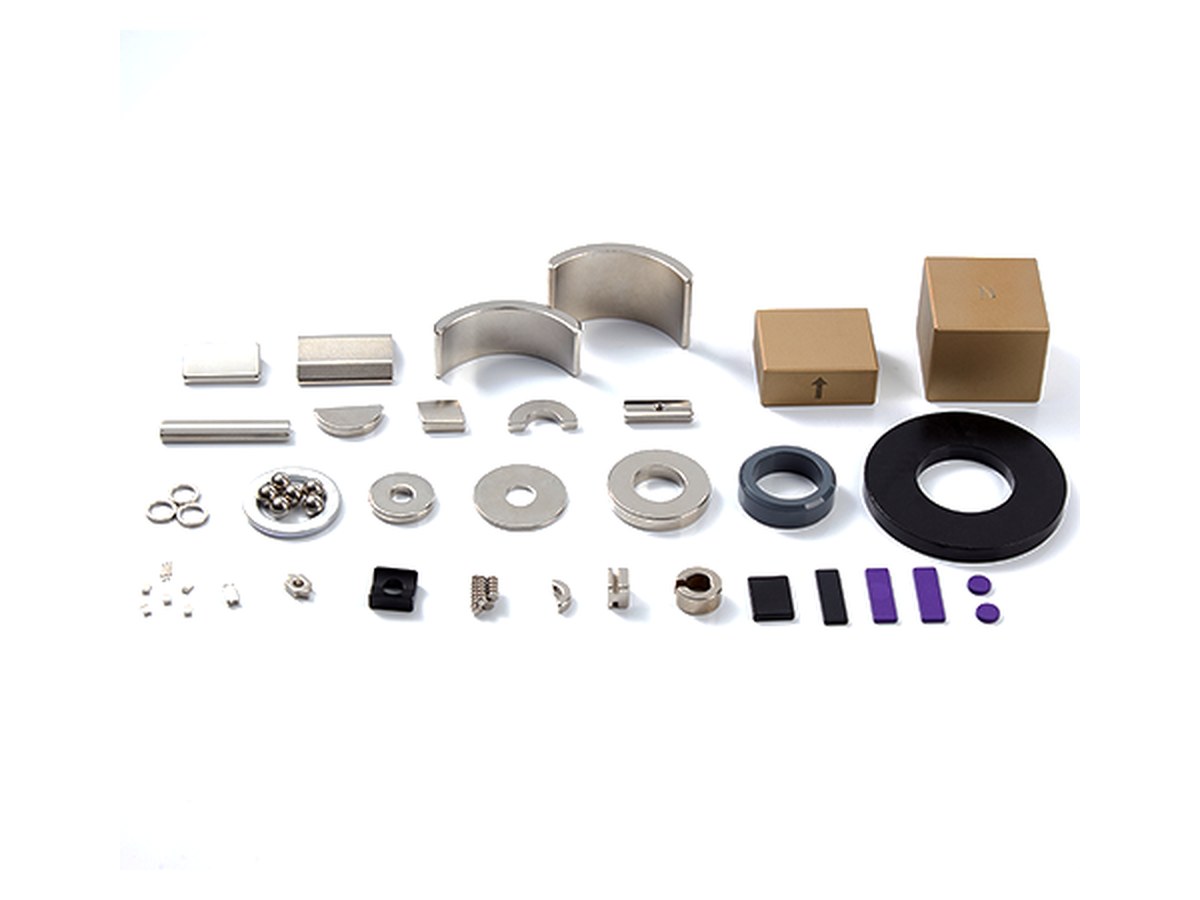
The highest energy density of any commercial magnet material makes sintered NdFeB the standard magnetic source for MFL systems. We supply blocks, arcs, rings and custom shapes across a full grade range (N35–N52, plus high-coercivity series), with multi-direction magnetization to match your magnetic circuit design.
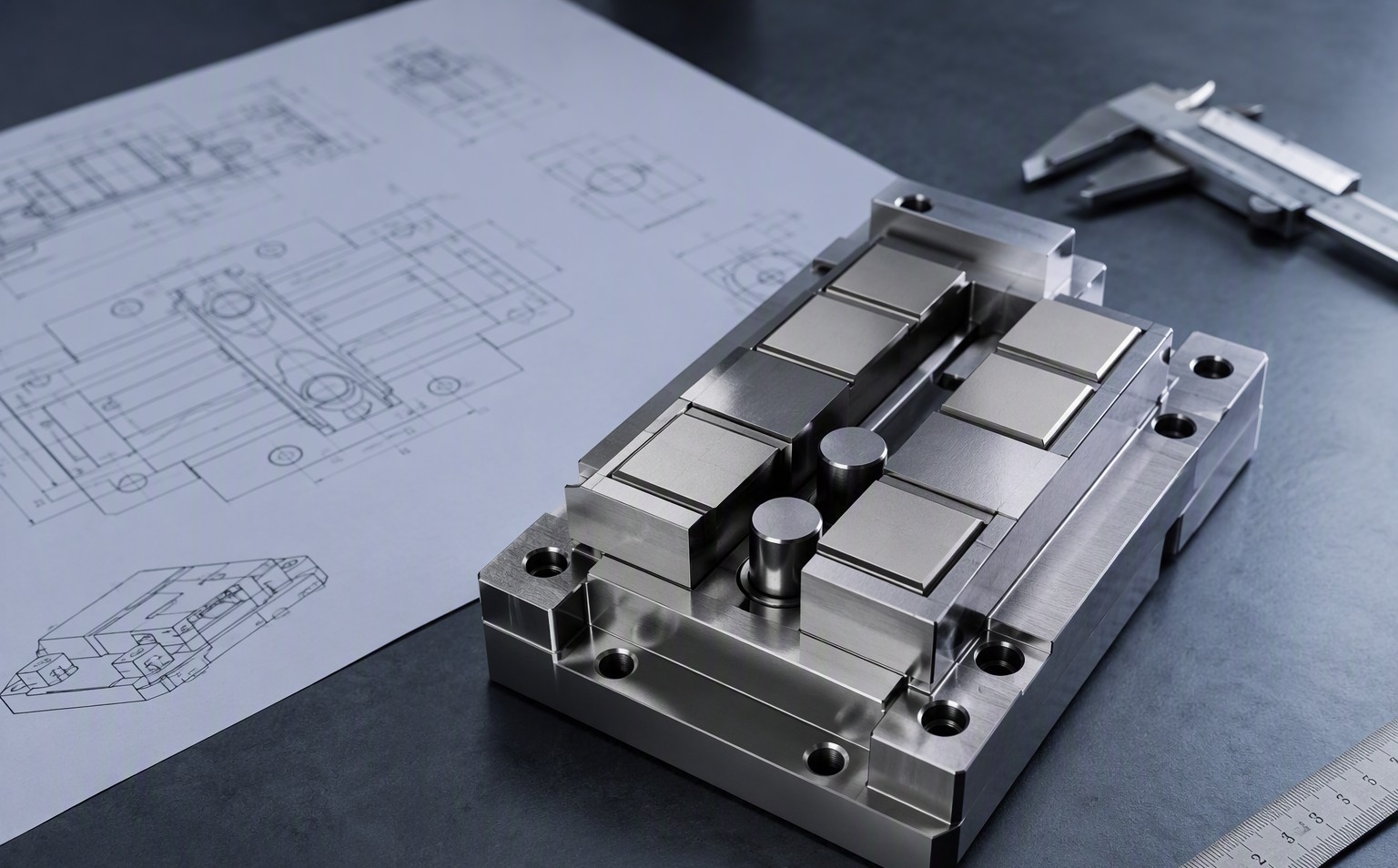
XAK supports integration of permanent magnets with steel holders, frames and mechanical components according to customer requirements. Instead of loose magnets, you receive an assembly that drops into your tool — with the magnetic circuit, retention and protection already engineered.
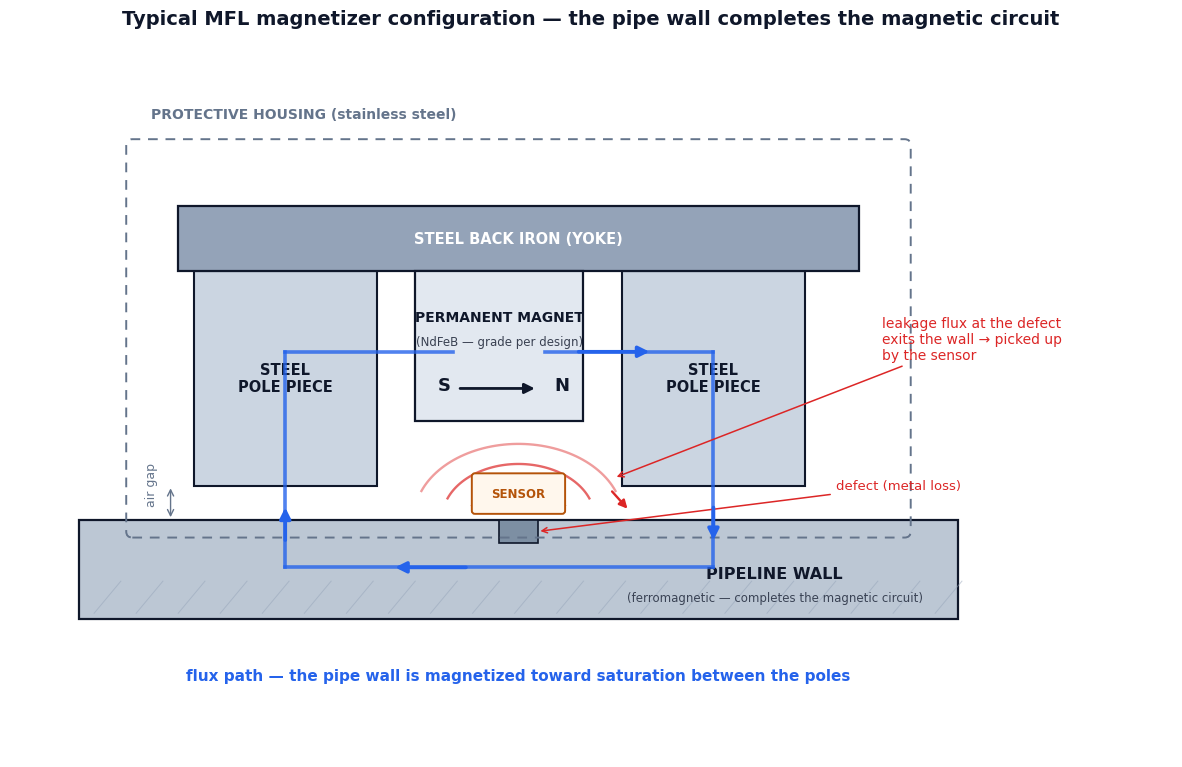
A typical MFL magnetizer: the permanent magnet and steel pole pieces drive flux through the pipe wall; at a defect, flux leaks out of the wall and is picked up by the sensor.
Grade, size and magnetization direction are selected against the wall thickness and material you need to saturate — not from a catalog default.
Pole piece and back iron geometry shape where the flux goes. Small geometry changes move real signal amplitude — we treat the steel parts as magnetic parts.
The housing protects brittle magnet material from impact, medium and repeated runs — retention and sealing are engineered with the circuit, not after it.
Three material families cover MFL requirements. The right choice depends on field strength, temperature and budget — we help you choose with data.
| Material | Advantage | Suitable for |
|---|---|---|
| NdFeB | Highest energy density of any commercial magnet | Strong magnetic field requirements — the standard choice for MFL magnetizers |
| SmCo | High temperature stability, good corrosion resistance | Extreme environments and elevated operating temperatures |
| Ferrite | Cost effective, stable | Large volume applications with moderate field requirements |
Selection should be verified against your operating temperature profile and required field at the wall — send the conditions and we confirm before design freeze.
One coordinated process — so the assembly you receive matches the design you approved.
Grade and material family confirmed against your field and temperature requirements.
Blocks, arcs and custom profiles machined to drawing tolerances.
Coating systems selected for the service medium — Ni, epoxy and application-specific options.
Direction and pattern per your magnetic circuit, verified before assembly.
Integration with housings, pole pieces and fixing structures under controlled processes.
Magnetic and dimensional verification before packing — with records you can keep on file.
Every batch is verified before shipment. For MFL programs, batch consistency is what protects your tool calibration over time.
Whether you need replacement magnets, customized magnetic assemblies or new magnetic designs, XAK can support your development.
Contact XAK → Request a Quote